
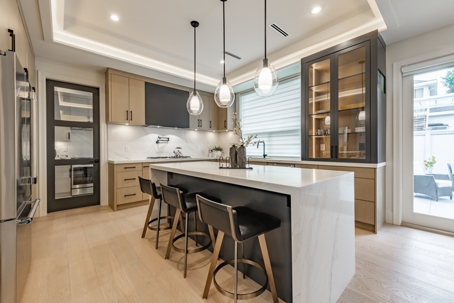
When planning a kitchen remodel, one term often comes up: the “kitchen triangle.” This design principle, dating back to the 1940s, suggests that the stove, sink, and refrigerator should form a triangle for efficient movement. The idea was simple—place the three busiest areas of the kitchen within easy reach of each other to save time and effort while cooking.
But in today’s homes, where families cook together, kitchens double as gathering spaces, and appliances have multiplied, does the kitchen triangle still hold up? At 3 Sons Construction, we’ve worked with countless Des Moines homeowners who wonder whether this traditional guideline is still worth following. Let’s take a closer look.
Why the Kitchen Triangle Still Matters
The kitchen triangle remains a tried-and-true design rule for many layouts. Its biggest strength lies in efficiency. By keeping the sink, stove, and refrigerator close but not too close, you reduce unnecessary steps and create a natural flow when preparing meals. For single cooks or smaller kitchens, the triangle can still provide a highly functional layout.
A well-executed kitchen triangle can also make even a compact space feel more open, ensuring there’s no bottleneck when moving between key tasks like washing, prepping, and cooking.
Why the Kitchen Triangle Isn’t Always Enough
Modern kitchens often serve more than one cook. Families gather around islands, kids do homework at the counter, and guests enjoy socializing while meals are being made. This shift in how kitchens are used means the traditional triangle doesn’t always fit the bill.
For example, large kitchens may need multiple work zones—like a secondary prep sink or beverage station—that extend beyond the triangle. Open-concept designs often favor a “kitchen work zone” approach, where tasks are grouped by activity rather than relying on a single three-point layout.
Finding the Right Balance for Your Kitchen
The best kitchen remodels today blend the efficiency of the triangle with the flexibility of modern zones. Think of the triangle as a foundation rather than a strict rule. From there, design can adapt to your needs:
Islands with sinks or cooktops add function without crowding the main triangle.
Pantries and built-in storage reduce clutter and improve flow.
Appliance garages and beverage stations create mini-zones tailored to your lifestyle.
At 3 Sons Construction, we work closely with you to understand how your kitchen is really used—whether it’s cooking for a busy family, entertaining guests, or just making a quick meal after work. Our goal is to design a layout that combines timeless efficiency with modern convenience.
The Verdict: Outdated or Timeless?
The kitchen triangle isn’t outdated—but it’s not the only way to design a functional kitchen. It remains a valuable guideline, especially for smaller or traditional layouts. Yet today’s kitchens benefit from a more flexible approach that balances efficiency with the realities of modern living.
Ready to rethink your kitchen design? Call (515) 498-5212 to schedule a consultation and explore how we can create a kitchen that fits both your space and your lifestyle.